

Radiant Heat 'Danger Zone'? - Page 2
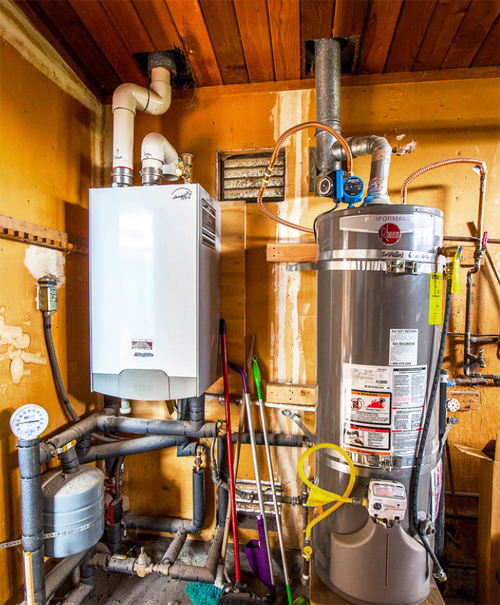 |
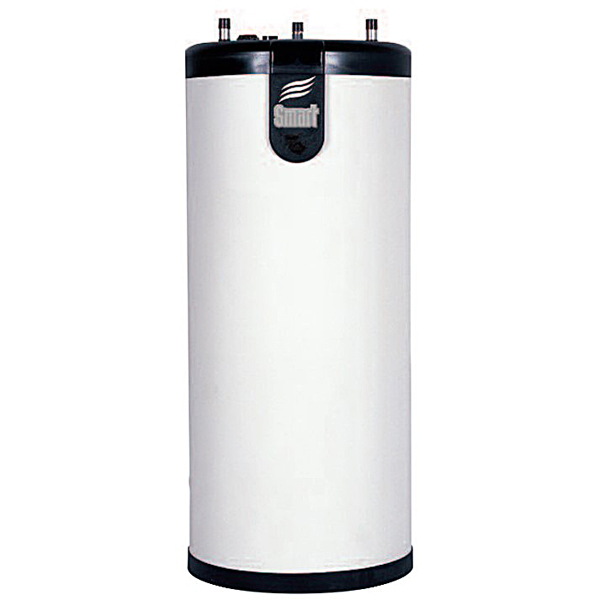
Another consideration, he adds, is the equipment storage space for the replacement unit or units. Since most Eichler homes have small mechanical rooms, cabinets, and closets, "Where is it going to go? The systems we're looking at now typically require 80-gallon storage tanks."
Reviewing the current situation, and its incomplete and evolving data, our experts have been deferring to local government for official answers. "What we're doing right now," says LaChance, "is just going with what the [local] permit departments say. It's a lot like when the Prius first came out. It was new and very expensive, and there were no hybrids yet."
Gerard loves the idea of reduced energy costs and reduced emissions, but he points out that they [electric equivalents] are still fundamentally electric devices. "Even if we have solar on our homes," he says, "when we need heating [via electricity] is when there's the least amount of solar activity. Then we'll still need to use a power plant."
"Electric is a horrible way to heat our homes with water," as Eichler homes do, adds Gerard. "However, it's totally possible. Technology for heat pumps is in its infancy. Hopefully, by 2027, we'll be farther along, and the price point will come down with it."
In preparation for the changes ahead, LaChance has been looking at the advantages and disadvantages of each utility. "For pros on the electric side," he says. "there's no carbon monoxide, not blowing hot air is safer for the Earth. Electric has a longer lifespan, is easier to care for, and is safer since there's no open flame in the boiler closet."
 |
However, says LaChance, going electric will be more costly in the initial setup of the system, since it has more mechanical [requirements] on the install side. He also noted that if the electricity goes out in a home, so will the heat.
As to the pros and cons of gas, LaChance says that gas is faster heating and better for colder climates. Installing a gas appliance is also easier because the gas is already there to hook into. But gas emits carbon monoxide, and requires more servicing, "like the carburetor on a car," he says.
"Our experience [with electric-driven boilers] has been inferior to gas," admits Gerrard. "If you've ever tried cooking with electricity [as most Eichler owners do on a daily basis], gas is better for heating a pot of water on an electric stove, is more controllable, and ultimately more efficient."
With significant changes on the horizon, it's recommended that homeowners consult with radiant heat and plumbing pros in their area before making any significant changes or purchases.
"It's all state-driven," says LaChance. "Cities are seeing what the state will approve, and going from there. I've got my ear to the ground."
 |
"If we don't have immediate answers," adds Gerard, "we'll work with homeowners to get them the info they need."
For more on the gas system ban, refer to this recent story in the San Francisco Chronicle.
Search