

Modernizing Today with Ease
 |
|
|
More than 75 years after Joe Eichler built his first 'Eichler,' the future of these most iconic mid-century modern homes is looking bright—both for those who admire their original good looks and those who want to update them to meet today's changing needs and ways of living.
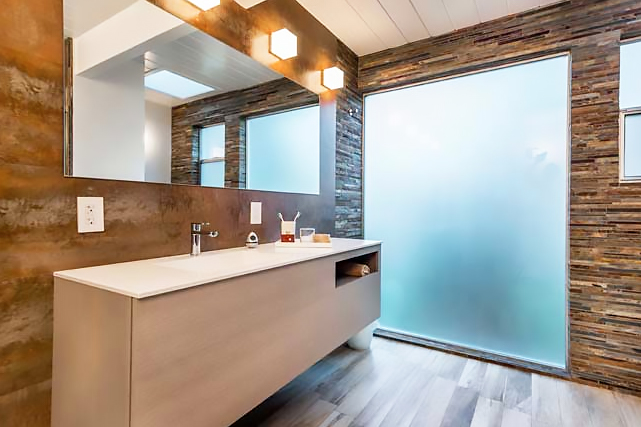
That's because it has become increasingly easy to upgrade Eichlers without compromising their style, often while incorporating a bit of a 21st century look.
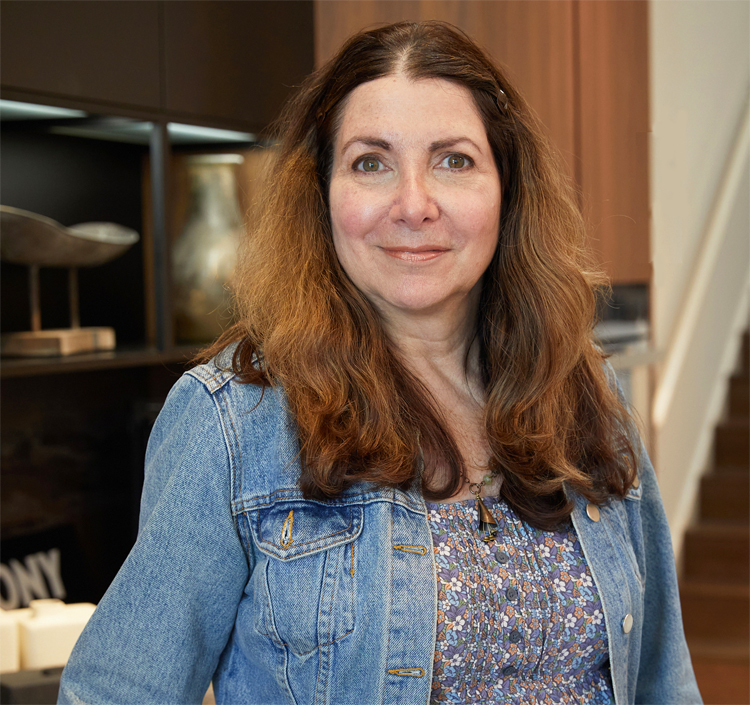
Sherry Scott, whose interior design firm, Sherry Scott Design, is based in Los Altos, has worked on many Eichlers, and is proud of her projects, especially ones in which "one walks through them [afterwards] and they feel very much like an Eichler should, as they were originally designed—only they are leveled up to provide another 50 years of enjoyable living."
 |
|
|
Anyone who has been around an Eichler neighborhood or two for any time has seen interior remodels that don't stick to the modern aesthetic that characterized the work of Joe and his architects. But the revival of interest in mid-century modern design that surged in the 1990s, has affected homeowners, designers and architects, and product designers.
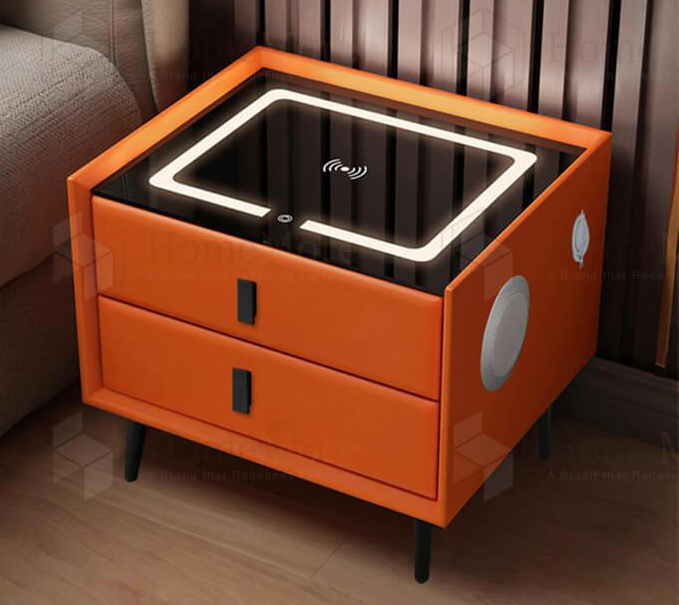
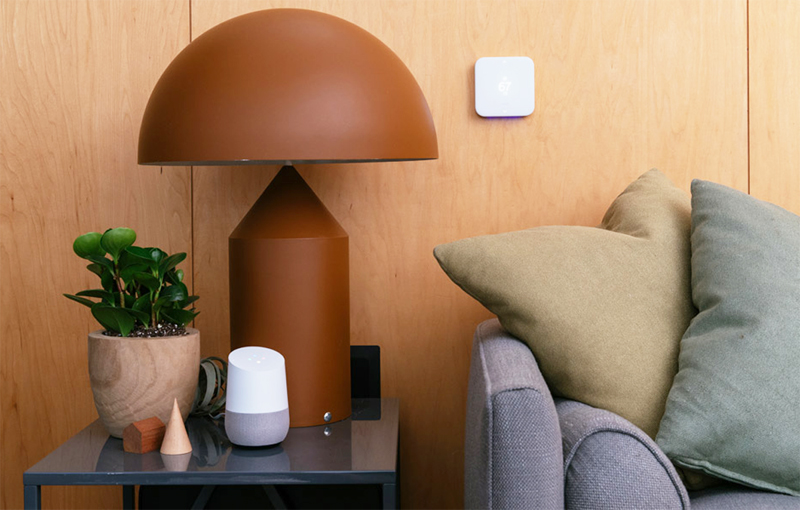
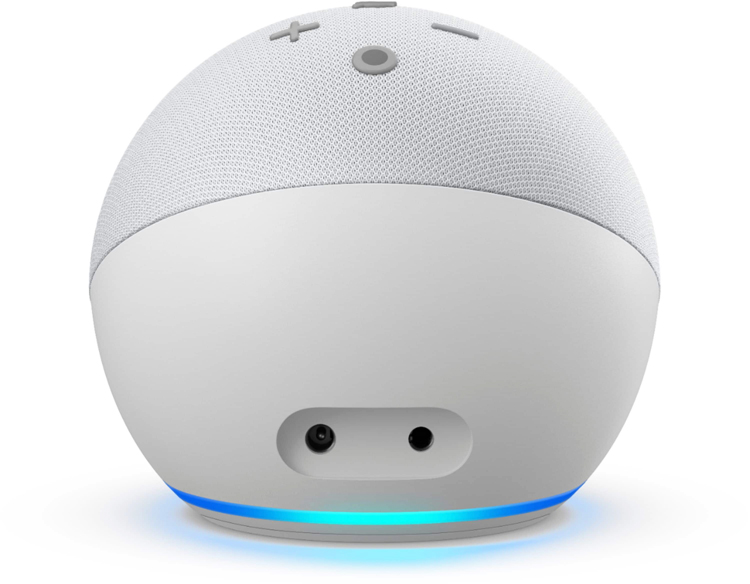
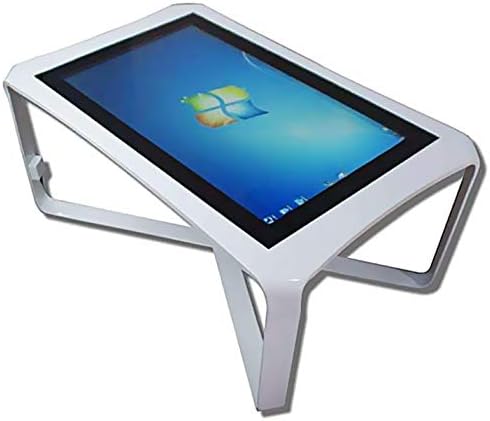
That's why, as owners move into a world of smart homes, smart speakers, smart coffee tables, and robotic vacuum cleaners, these clever devices often seem like they were designed to belong in an Eichler, thanks to an almost retro design.
Recall that both founders of Apple—Steve Wozniak, who grew up in a Sunnyvale Eichler, and Steve Jobs, who grew up in nearby Mountain View in an Eichler-like Mackey home—credited the clean, glass-walled design of their homes with inspiring their design sense.
 |
Where do you think the designers of Amazon's spherical Echo Dot smart speaker took their inspiration? Architect Buckminster Fuller's geodesic domes, perhaps?
There is as much attention today to design as to function in many smart-home items. Take Vivint's line of security and energy devices, for example. In their quiet, keep-in-the background way, they serve as remarkable modern mini-sculptures, as well as products to bring warmth, conserve energy, and keep criminals at bay.
Function too is what every remodel that Sherry Scott works on is all about—at first. "One-hundred percent of the time it is functional," she says of her clients' reasons for starting a project. It is not aesthetic."
 |
"Usually they are living in a really somewhat dysfunctional space in their kitchens and bathrooms for today's use," she says. She notes that all homes, not just Eichlers, need maintenance and upgrade as they hit 50 or more years old.
As times change, so do objects and people's behaviors—and laws.
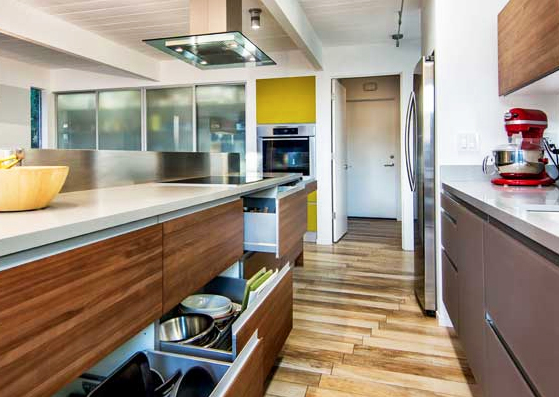
Today people pay more attention to cooking and baking, and stoves have gotten bigger. Some no longer fit in the original spaces—which requires cabinetry to be rebuilt around them.
 |
|
|
Homeowners also want more and easier-to-access storage in both kitchens and bathrooms than provided originally by Joe Eichler.
While referring to one of her recent Sunnyvale projects, Scott remarks, "The new kitchen is a more open space with a functional European type of all-drawer storage for the base cabinetry, instead of doors and shelves. The upper cabinetry has doors that flip open and out of the way making it easy to prepare food and access needed items."
For clients with strong modern sensibilities who wanted the warmth from a fireplace in a new living area, Scott had to provide instead of a wood burner an eco-friendly bioethanol fireplace, "which creates a real fire but does not need a flue. You can't put in a wood-burning fireplace any longer [because of regional regulations]."
 |
|
|
"The owners [of the fireplace home] wanted it to be energy efficient and not create pollution," she adds. "But they wanted real fire."
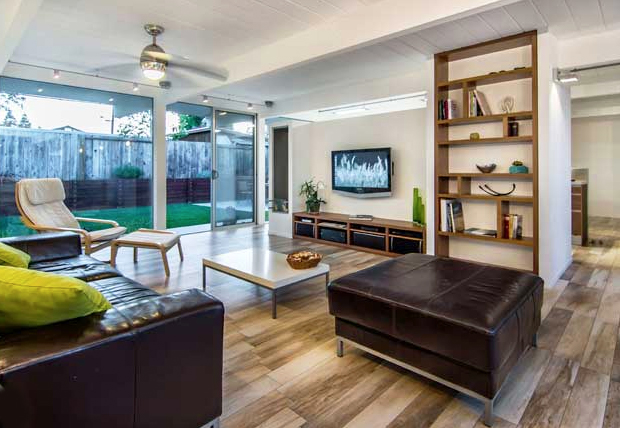
"The goal today," she says, "is marrying current technology and current lifestyle and still having reverence for the [Eichler] house. With this approach, we're not really changing things much, and preserving the open plan and the natural light. You're trying to honor the existing design, but improving it for today."
Eichlers can be remodeled while preserving the Eichler look in toto. But Scott's work often adds 21st century elements in a way, she says, that harmonize with Eichler's aesthetic in the use of warm materials and textures. "We want warmth if we're doing modern," Scott says.
 |
"In the living space," she says of her Sunnyvale project, "the built-ins I added were rectilinear, and open and warm, with the natural wood tones."
In some ways, as smart-home technology has advanced, it has become even easier to bring Eichlers into the 21st century. Because Eichlers lack crawl space or attic space, and because running wires along beams can be tricky and unappealing, hooking up lighting or other functional devices decades ago was often challenging.
 |
But today who needs wire? "We do a lot with wi-fi," Scott says. The world may have changed a lot since Joe Eichler was building his homes, but the homes seem to have evolved along with changing ways of life.
"It's a phenomenon," says Scott, "that the Eichlers have been preserved, and they are revered."
- ‹ previous
- 433 of 693
- next ›
Search