


In the Wildfire Aftermath
 |
|
|
Here in California, the combination of climate change and drought, stirred by the Santa Ana winds, have made wildfires throughout the state a growing danger that has managed to engulf our lives, homes, and neighborhoods.
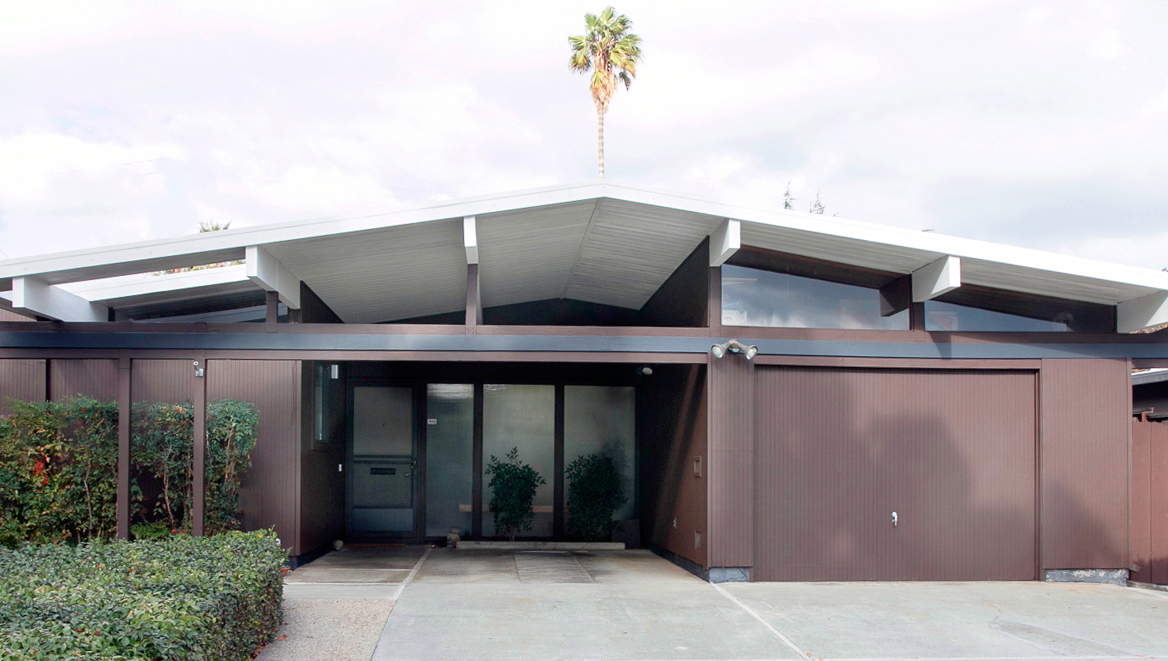
With communities now facing increasingly dire situations, making our homes more resistant to fire is a life-saving strategy worth exploring. These devastating events call for a careful analysis, and serve as a sobering reminder of the vulnerability of an Eichler in a fire.
Remember the age-old adage: 'Eichlers…the eight-minute burn'? The logic behind this distressing saying, whether it's accurate or not, is that Eichler homes are almost entirely constructed of wood and single-pane glass—vulnerable elements that are inherently poor responders in a fire.
But what can we do to make our Eichlers more fire-resistant?
 |
|
|
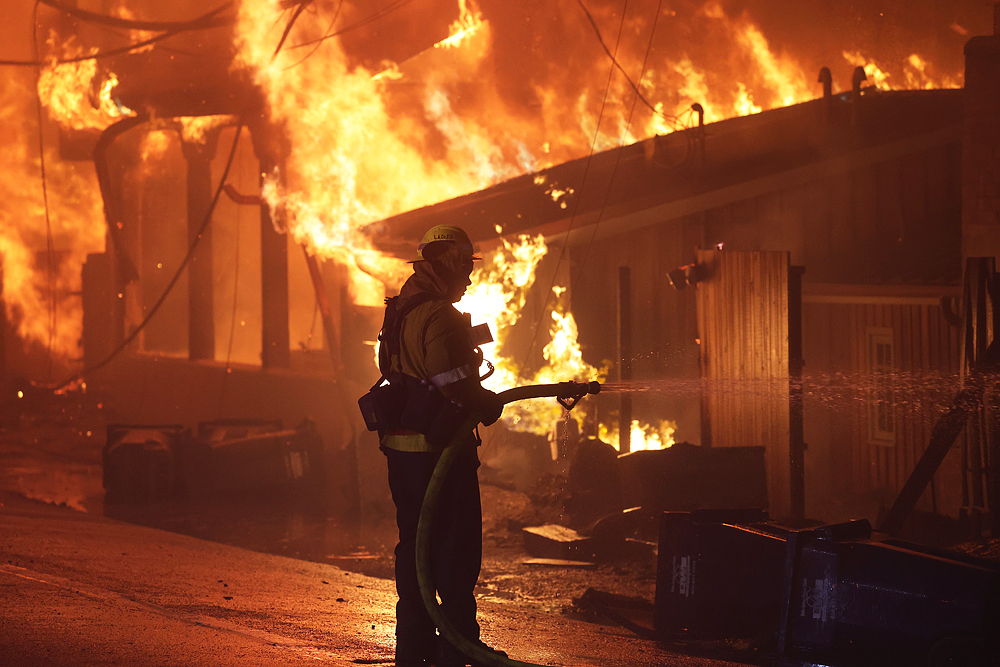
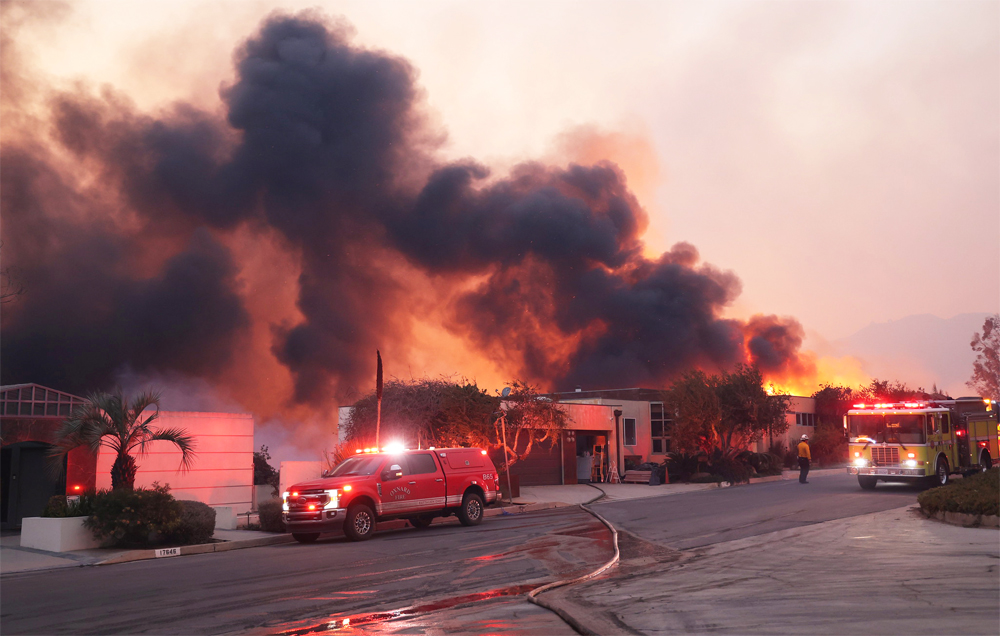
One unique home, a non-Eichler, in the fire-ravaged Palisades Highlands seems to hold some answers about improving fire safety and home protection. Following the recent Palisades Fire, this home was the only structure left standing on its residential block.
Architect Michael Kovac purchased the 1950s home on Chautauqua Boulevard in 2002. Environmentalists at heart, he and his wife, Karina Mayer, used their single-family residence as a project to explore sustainable systems and wildfire resilience, utilizing ways to 'harden' a home against fire.
Today, the couple's home is LEED Platinum Certified Leadership in Energy and Environmental Design, and they believe the fire-retardant features they introduced saved their home.
 |
|
|
"We have fiber cement siding that is extremely fire resilient," Kovac explained to ABC-7 news, "a very high-performance commercial Class-A roof; a planted green roof, which is a very fire-resilient feature; commercial glazing so insulated glass, which prevents radiated heat from going through the windows and igniting the house from within; and a Phos-Chek fire-retardant system that we were able to call and activate." Decks were built from flame-resistant Brazilian hardwood.
The couple's goal with their upgrades is to highlight ways others can protect their homes in fire-prone areas. "People's reactions and realization lag behind science," Mayer adds. "I think science was warning us of this a long time ago…we need to look reality in the face and prepare ourselves."
 |
|
|
Another home, designed by architect Greg Chasen, used passive house strategies that may have attributed to saving his Altadena home from the recent fires: additional insulation, a one- to two-hour fire rating, no open eaves or vents, and aluminum-clad tempered windows. A concrete perimeter wall appeared to have resisted embers, along with minimal landscaping positioned away from the house.
So how can we protect our family's Eichler from potential fire, without completely rebuilding it? Here are some recommended safeguards that will help you to stay alert to fires, and build in safety features to create a survivable structure.
Search