
Rare, Restored Treasure - Page 2
 |
Lloyd Ruocco, FAIA (1907‐1981) was born in Maine. His early years were spent in Canada, which may have influenced his connection to nature and the outdoors. His family relocated to the San Diego area in the 1920s. During his years at San Diego High School, the emerging architect worked for architect Richard Requa.
Enrolling in courses from architect Lillian Rice at San Diego State College, Ruocco's experiences led to a transfer to the University of California at Berkeley, where he received a degree in architecture by 1933.
Returning to San Diego, Ruocco worked in the architectural offices of Richard Requa and William Templeton Johnson, and partnered with Kenneth Messenger to develop modern home designs that were exhibited at the California Panama Exposition in Balboa Park in 1935, resulting in the International Style Clitsome Residence built in South Park in 1937.
 |
Ruocco served in the U.S. Navy during World War II, and married artist and interior designer Ilse Hamann in 1944. The couple built their first home in La Mesa's Briercrest neighborhood, and Ruocco soon established his own firm, focusing on introducing a new, modern style of architecture to San Diego. Working together, the couple designed cutting-edge projects throughout San Diego County.
Of particular note is Ruocco's San Diego Design Center, which exists to this day. Designed in 1949 as a retail outlet and interior design firm, the Design Center was operated by Ilse Hamann, and housed Ruocco's architecture practice, Ilse's showroom and design services, in addition to office space for artists, designers, and publishers.
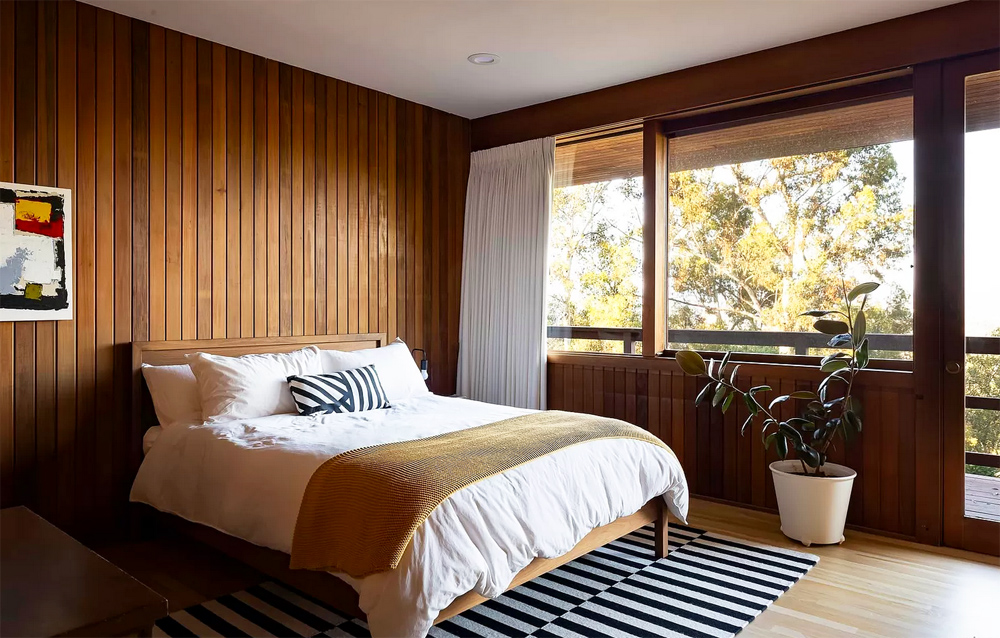 |
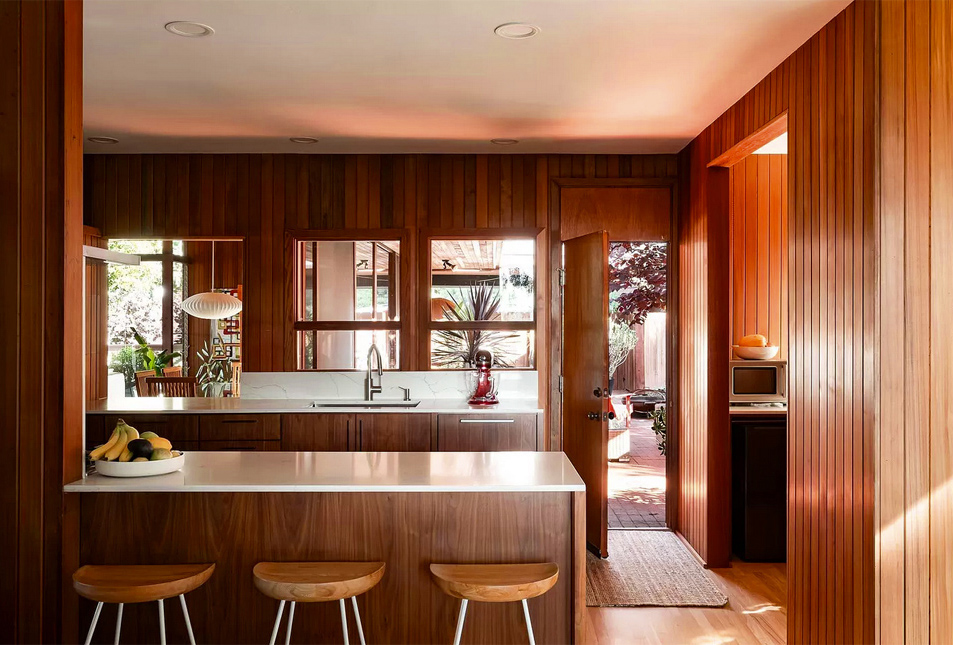
Among the hallmarks of Ruocco's design aesthetic was establishing a relationship between the home and its landscape, positioning it to take full advantage of natural views, and siting the home below the crest of a hill to assure privacy. Flat or low‐pitched roofs featured wide overhangs, and walls and ceilings constructed of redwood.
John Entenza's Case Study House program (1945‐1966) may have inspired Ruocco's later work. During that period, the architect incorporated concrete, glass, steel, and wood. Predominantly post and beam, Ruocco's later residential work featured modular designs to reduce construction costs, and flexible floor plans with movable walls. Radiant heating in floors or ceilings was supplied.
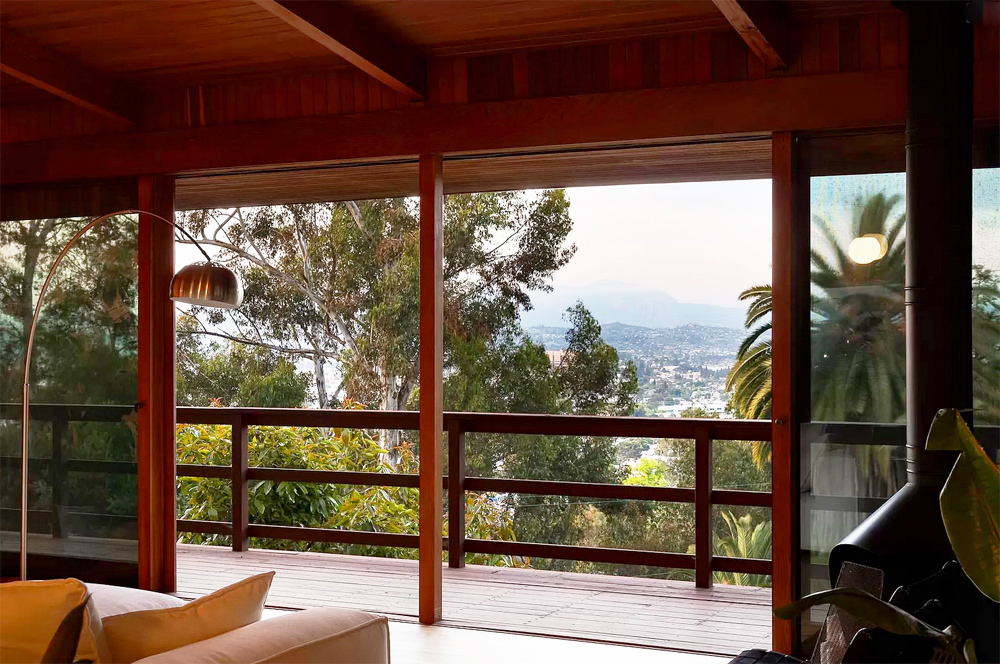 |
The Wexler House is a rare, restored treasure designed by a master modernist architect who was respected for his forward thinking, and was highly influential in San Diego from the 1930s through the '50s.
To tour the Wexler House, contact listing agent Jeffrey Walker for a private showing.
Search